Pick up almost any piece of mixed media artwork and run your fingers across it. You’ll feel ridges, smooth patches, rough grit, maybe even fabric or wire embedded into the surface. That tactile quality isn’t just decorative — it’s doing something profound to how you experience the piece. Texture in mixed media art is one of those elements that works on the viewer almost subconsciously, pulling them in, creating shadow and light, and giving a piece a sense of depth that flat paint simply cannot achieve on its own.
Mixed media, by its very nature, invites texture. When you combine acrylic paint with collage papers, gesso, modeling paste, fabric scraps, found objects, and ink, you’re building a surface that has genuine physical dimension. Understanding how to use that dimension intentionally — rather than just letting it happen by accident — is what separates artwork that feels cohesive and compelling from artwork that feels chaotic or unfinished.
This article digs into the real role texture plays in mixed media art, the different types you can work with, practical techniques for building it, and how to approach it strategically rather than randomly.
What Is the Role of Texture in Art?
Texture in art serves multiple purposes at once. On the most basic level, it describes the surface quality of a work — whether it’s rough, smooth, bumpy, soft, or grainy. But beyond the purely physical, texture influences emotional response. A surface covered in thick, jagged impasto strokes communicates something urgent and raw. A smooth, polished surface reads as calm, controlled, even distant. Artists working in mixed media have access to an enormous range of textures, which means they have an enormous range of emotional registers to play with.
Texture also affects how light interacts with a piece. When light hits a raised surface, it creates shadows in the recessed areas and highlights on the peaks. This gives the work a dynamic quality — it literally looks different depending on the angle of the light source. That kind of responsiveness to environment is something you simply can’t replicate with flat pigment.
There’s also the matter of visual weight and balance. Areas of heavy texture draw the eye and feel heavier. Smooth areas recede and feel lighter. A skilled artist uses this the same way a composer uses loud and soft passages in music — to create rhythm, emphasis, and contrast.
What Are the 4 Types of Texture in Art?
Understanding the different categories of texture helps artists make more deliberate choices. Most art educators and practitioners recognize four main types:
1. Actual Texture
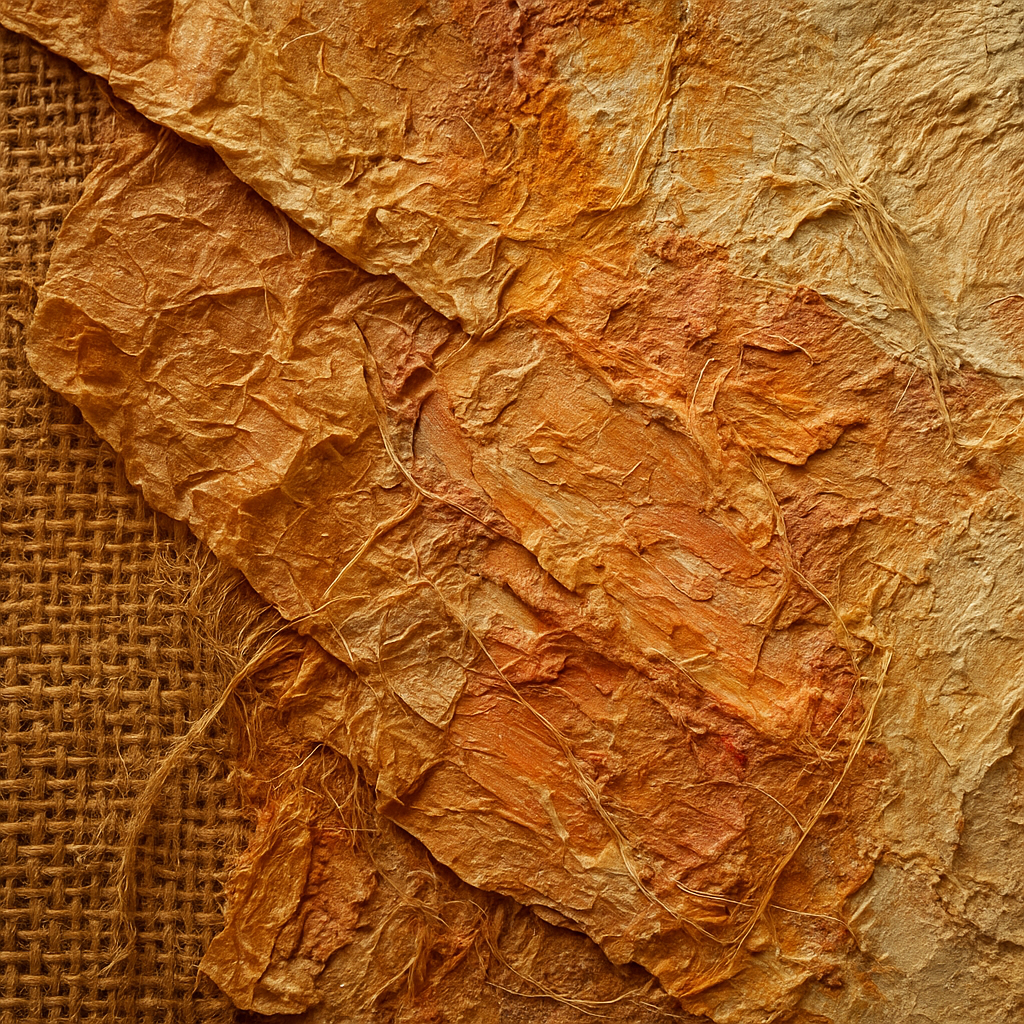
This is texture you can physically feel with your fingertips. It’s real, three-dimensional, and present on the surface of the artwork. In mixed media, this is the most common type — built up through layers of paint, paste, collage materials, and embedded objects. When you press sand into wet gel medium or glue down a piece of burlap, you’re creating actual texture.
2. Simulated Texture
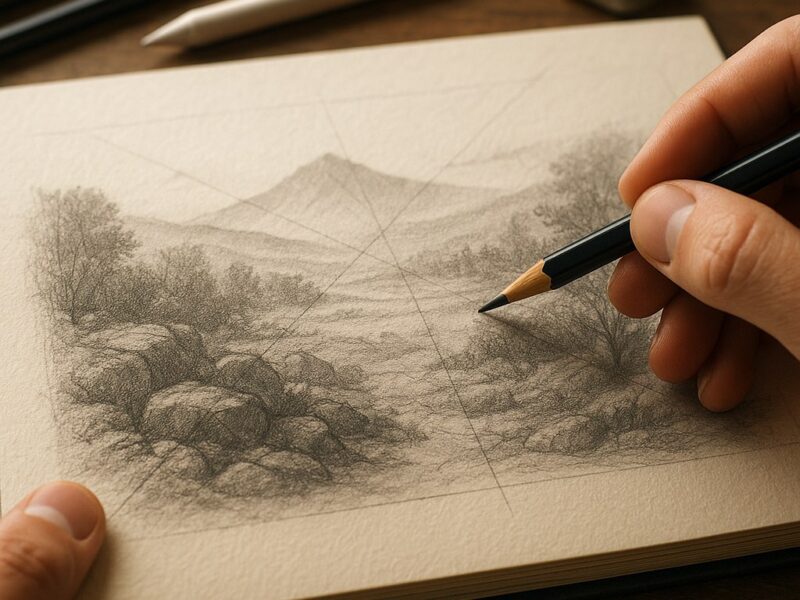
Simulated texture is created through mark-making and painting techniques that give the illusion of texture without any real physical dimension. Photorealistic paintings of wood grain or fabric are classic examples. In mixed media, simulated texture often appears in drawn or painted sections layered alongside genuinely tactile areas, which creates an interesting dialogue between the flat and the dimensional.
3. Abstract Texture
Abstract texture refers to patterns or marks that suggest texture and tactile quality without representing any specific real-world surface. Crosshatching, stippling, and repetitive gestural marks all fall into this category. They create visual complexity and rhythm rather than trying to mimic a particular material.
4. Invented Texture
Sometimes called invented or decorative texture, this is pattern-based surface treatment that’s more about visual interest than representing reality. Think stamped patterns, stenciled designs, and repeated decorative marks. In mixed media, invented texture is extremely common and gives artists a lot of freedom to add complexity without building up physical layers.

What Is Mixed Media Texture Art?
Mixed media texture art is, at its core, artwork that deliberately uses the combination of multiple materials and techniques to create rich, layered, dimensional surfaces. It’s not just about what something looks like — it’s about what it feels like and how that physicality amplifies meaning.
A typical mixed media piece might begin with a substrate — canvas, wood panel, watercolor paper, or even cardboard — which is then built up with layers of gesso, modeling paste, tissue paper, painted marks, ink washes, fabric, and found materials. Each layer adds to the physical and visual complexity of the surface. Some artists plan their texture carefully from the beginning; others discover it intuitively as the work develops.
The materials involved are almost limitless. Common choices include:
- Modeling paste and texture paste — thick mediums that hold peaks and tool marks
- Gesso — can be applied roughly for surface interest or smoothly for a clean base
- Tissue paper and collage papers — create layers with visible edges and translucency
- Sand, salt, and natural materials — add gritty, organic texture
- Fabric, lace, and gauze — pressed into paint or gel medium for embedded texture
- Cheesecloth and netting — leave grid-like impressions in wet mediums
- Acrylic skins and pours — create flexible, translucent layers with inherent surface variation
- Found objects — buttons, keys, wire, and other items embedded into the surface
What makes mixed media texture art distinct is the way these materials interact with each other and with paint, ink, and other traditional art materials. The result is a surface that has genuine complexity — layers you can read visually as layers, with depth that extends both above and below the original substrate.
The 70/30 Rule in Art and How It Applies to Texture
The 70/30 rule is a compositional guideline that’s widely referenced in art and design. The principle is simple: roughly 70% of your composition should be dominated by one primary element, with the remaining 30% made up of contrasting or secondary elements. This creates visual harmony while avoiding the monotony of total uniformity.
When it comes to texture, the 70/30 rule is genuinely useful. If your entire surface is covered in heavy, rough texture with no smooth areas, the eye has nowhere to rest. The texture loses its power because there’s nothing to contrast it with. But if roughly 70% of the piece has bold, active texture and 30% is smoother or quieter, the textured areas feel intentional and impactful.
This principle also applies to the types of texture you use. A piece with 70% organic, natural texture (torn paper, sand, fabric) and 30% geometric or invented texture (stamped patterns, stenciled designs) will have an interesting push and pull. The contrast is what creates visual tension — and visual tension is what keeps a viewer engaged.
Techniques for Building Texture in Mixed Media Art
Layering and Glazing
Building texture in mixed media is almost always a process of accumulation. Thin layers of tissue paper, painted over and integrated with glazes of diluted acrylic or ink, create a surface that has depth you can almost see into. Each new layer partially obscures the one beneath it, which gives the finished piece a sense of history and complexity. Working in layers also allows you to make marks, cover them partially, and let them re-emerge — a process that often creates unexpected and interesting results.
Subtractive Techniques
Not all texture is about adding material. Scratching back into wet paint, scraping with a palette knife, sanding dried layers, and carving into gesso or modeling paste all create texture by removal. These subtractive marks often feel more energetic and gestural than additive marks, and the two approaches work beautifully together.
Texture Tools and Household Items
Dedicated texture tools like palette knives, silicone shapers, and combs are useful, but so are ordinary household items. Bubble wrap, crumpled aluminum foil, old credit cards, plastic wrap, sponges, and even the tines of a fork can all make interesting impressions in wet mediums. Part of the joy of mixed media is that everything becomes a potential tool.

Using Mediums to Your Advantage
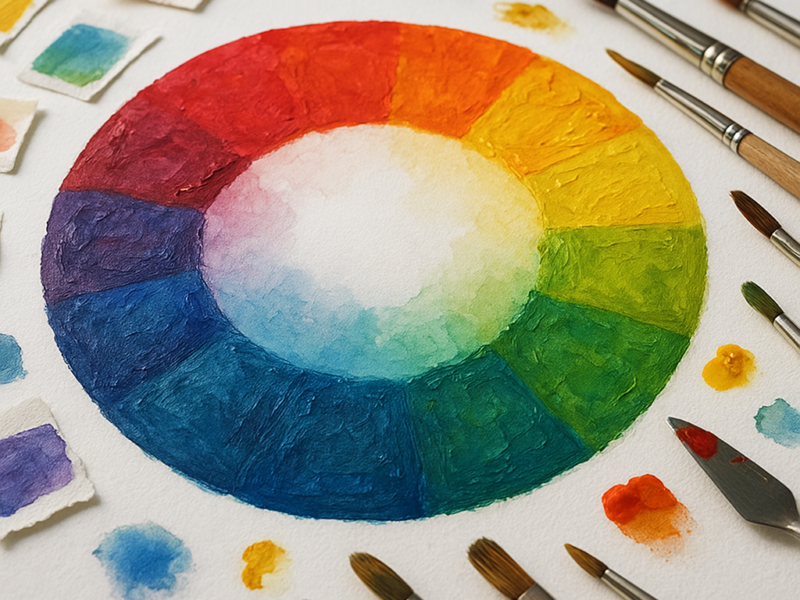
Gel mediums, molding paste, and pumice gel are specifically designed to help artists build physical texture. Gel medium ranges from soft (which levels out) to extra heavy (which holds stiff peaks), giving you control over exactly how much dimension you’re creating. Pumice gel and sand gel add genuine grit to surfaces, ideal for artists going for a raw, earthy quality.
Why Texture Changes the Emotional Impact of a Piece
There’s genuine psychological research behind why texture affects emotion so powerfully. Humans are tactile creatures, and visual cues related to touch trigger physical responses — a rough, jagged surface can create a sense of unease or energy, while soft, rounded textures feel more comfortable and approachable. Artists working in mixed media can use this knowledge deliberately.
Consider two pieces with identical color palettes and subject matter. One is painted smoothly and flatly. The other has thick impasto marks, embedded materials, and torn paper edges. The second piece will almost always feel more alive, more emotionally charged, more present. The texture signals to the viewer that something was made — that there was effort, process, and intention behind every square inch of the surface.
This is also why texture can rescue a piece that’s struggling compositionally. When a work feels flat or lifeless, adding strategic texture — even just in a few key areas — can give it the dimension and visual interest it’s missing.
Common Mistakes When Working with Texture
Even experienced artists can fall into some predictable traps when working with texture in mixed media:
- Overloading the surface — Adding texture everywhere without restraint creates visual noise. Leave some areas quiet.
- Ignoring the substrate’s limitations — Heavy texture on thin paper can cause buckling and warping. Match your texture ambitions to your substrate’s strength.
- Skipping the drying time — Layering too quickly over wet materials can muddy colors and compromise texture. Patience pays off.
- Using texture without purpose — Ask yourself what the texture is doing for the piece. If you can’t answer, you may be adding it out of habit rather than intention.
- Neglecting color in textured areas — It’s easy to focus so heavily on building texture that you forget to paint it thoughtfully. Dry brushing, inking, and glazing over textured surfaces can dramatically enhance their impact.
Bringing It All Together
Texture in mixed media art isn’t a technique you apply and then step back from — it’s an ongoing conversation happening across the entire surface of a piece. Every material you add, every tool mark you make, every layer you build is contributing to a physical and visual language that communicates something to the viewer.
The most compelling mixed media work tends to be the work where texture feels like it belongs — where it’s in service of the piece’s emotional intent rather than just present for its own sake. That kind of intentionality comes from understanding what texture does, experimenting with how different materials behave, and developing an instinct for when to push further and when to stop.
Whether you’re just starting to explore mixed media or you’ve been working in it for years, paying closer attention to texture — how you’re building it, why, and what it’s doing to the viewer’s experience — is one of the most rewarding shifts in practice you can make. It changes not just the look of the work, but the feeling of it. And feeling, ultimately, is what art is for.