Watercolor painting offers a unique blend of creativity and technique, making it an appealing choice for artists of all levels. This beginner’s guide to watercolor will cover essential basics, including materials, techniques, and tips to help newcomers successfully navigate their artistic journey. With its versatility, watercolor can produce stunning results, whether used for delicate washes or intricate details.
Those just starting with watercolors often feel overwhelmed by the variety of supplies available. From different brushes to various types of paper, understanding these components is crucial. A clear grasp of watercolor basics will enable newcomers to make informed choices, ensuring a more enjoyable painting experience.
As they explore this captivating medium, beginners will find that practice is key to mastering watercolor techniques. The guide will introduce simple exercises and projects designed to build confidence and improve skills. By engaging with the content, readers will gain valuable insights into how to unlock their creative potential and fully embrace the world of watercolor painting.
Getting Started with Watercolors
Beginning with watercolors involves selecting the right supplies and creating an inviting workspace. Making informed choices will enhance the painting experience and facilitate creativity.
Choosing Your Supplies
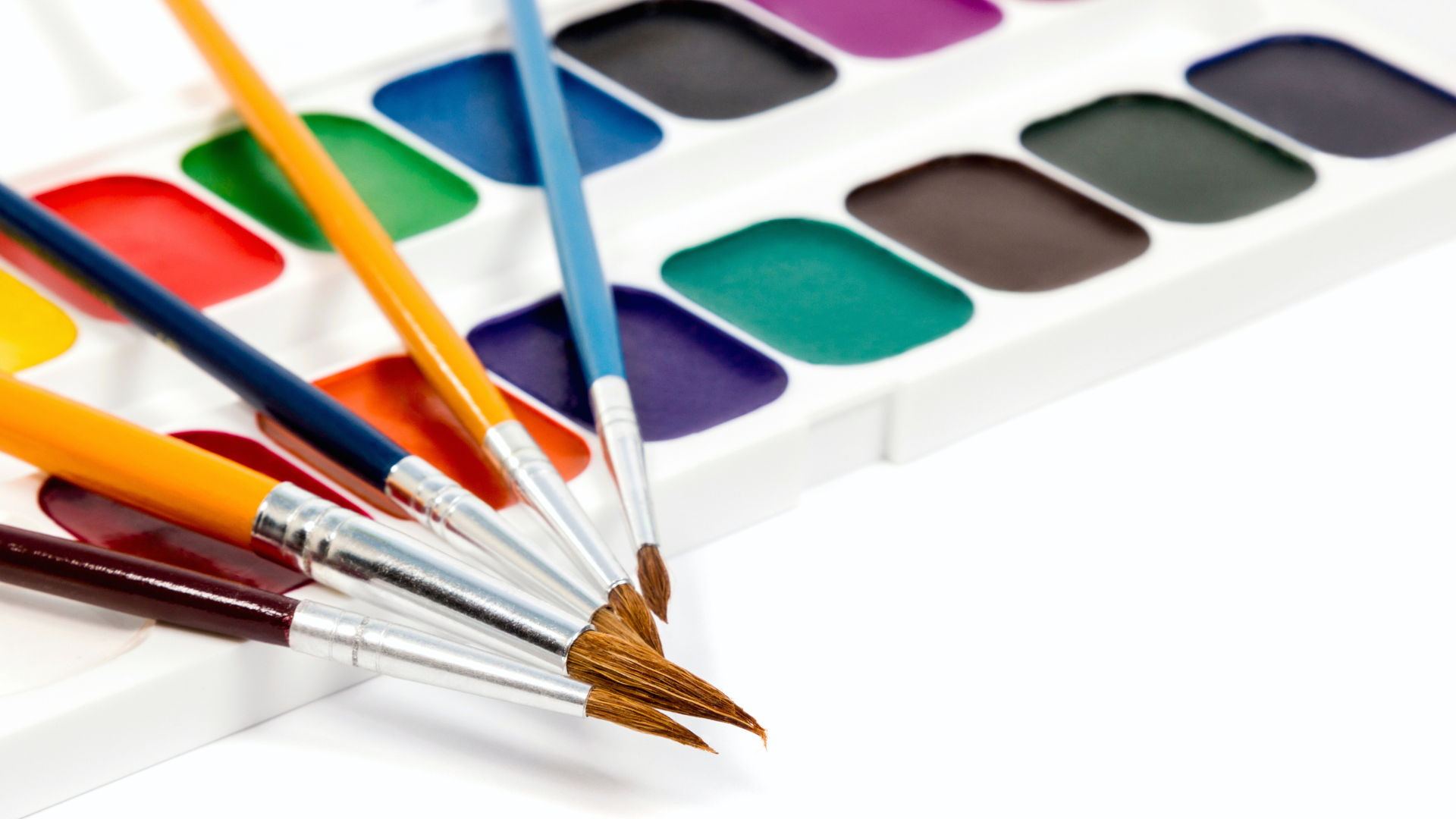
For watercolor painting, key supplies include watercolor paints, brushes, and paper. It’s essential to start with high-quality materials, as they significantly impact the results.
- Watercolor Paints: Begin with a basic set of watercolor tubes or pans. Look for brands like Winsor & Newton or Daniel Smith that are known for their pigment quality.
- Watercolor Brushes: Invest in a couple of good brushes. A round brush (size 6-10) is versatile for both detail work and washes. A flat brush is beneficial for broader strokes.
- Watercolor Paper: Choose cold-pressed (not rough) watercolor paper with at least 200 lb weight. This type of paper absorbs water well, allowing for various techniques without warping.
Setting Up Your Workspace
Designing a suitable workspace is vital for beginners. A clean, well-lit area encourages focus and creativity.
- Workspace Essentials: Select a flat surface, like a table, to work on. Good lighting prevents strain and helps with color accuracy. A palette is also vital for mixing paints.
- Organizing Supplies: Keep supplies within reach. Use containers for brushes, a water cup for rinsing, and a paper towel roll for drying brushes and cleaning spills.
Creating an environment that is both functional and aesthetically pleasing can inspire creativity and improve practice.
Mastering Watercolor Techniques
Watercolor painting involves various techniques that highlight the medium’s unique qualities. Understanding these methods can enhance the artist’s ability to create desired effects and bring their visions to life.
Understanding Watercolor Basics
Watercolor paints are composed of pigments suspended in a water-soluble binder. When applied to paper, the water allows for a vibrant and translucent finish. It is essential for beginners to choose the right paper, typically heavyweight and specifically designed for watercolors, as it absorbs water effectively without warping.
Artists should familiarize themselves with basic techniques like wet on wet and wet on dry. In the wet on wet technique, the artist applies wet paint onto wet paper, creating soft blends. Conversely, wet on dry involves adding wet paint to dry paper, resulting in sharper edges. Knowing when and how to use these techniques can significantly impact the final artwork.
Exploring Wet and Dry Methods
The wet-on-wet technique allows colors to merge fluidly. This can be useful for painting landscapes and skies, where soft transitions are desirable. To achieve this, the artist dampens the paper first, then introduces color. The challenge lies in controlling the paint’s movement.
The wet-on-dry method offers more precision. This allows for clearer lines and defined shapes, making it suitable for details. By applying wet paint to completely dry paper, the artist retains more control over the color placement. Both techniques can be combined for varied effects, enriching the artwork’s depth and complexity.
Experimenting with Textures
Texturing can elevate a watercolor painting. Artists often use techniques like the salt technique, where salt is sprinkled on wet paint. As the paint dries, the salt absorbs moisture, leaving unique patterns. This effect can be particularly captivating in landscapes or abstract pieces.
Another method involves using masking tape to create sharp lines or protect areas from paint. By placing tape on the paper prior to painting, artists can achieve clean edges. Once the painting is complete and dry, the tape is removed to reveal crisp, white lines beneath. This combination of texture techniques adds dynamism to the artwork.
Creating Depth through Layering
Layering, or glazing, is crucial for building depth in watercolor paintings. This technique involves applying multiple transparent layers of color. Each layer must dry before adding another to avoid muddying the colors.
Artists should start with lighter colors and gradually build up to darker shades. This approach enhances dimension and vibrancy, allowing for a more nuanced final outcome. Knowing how to mix and layer colors effectively can transform an ordinary piece into an extraordinary one.
The Essentials of Color and Composition
Understanding color and composition is crucial for effective watercolor painting. Mastery of these concepts allows artists to create vivid, impactful works that capture the viewer’s attention.
Learning Color Theory
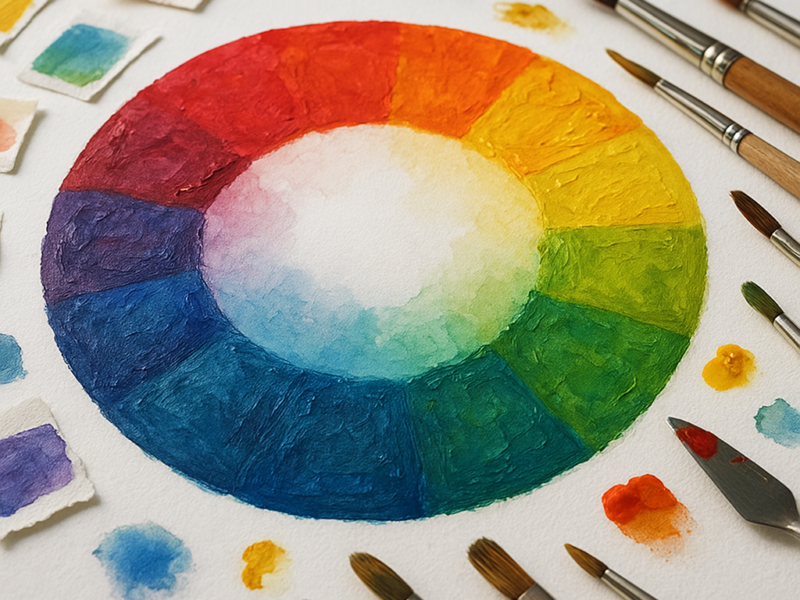
Color theory serves as the foundation for mixing and using colors in art. It involves the basic categories of colors: primary, secondary, and tertiary.
- Primary Colors: Red, blue, and yellow. These colors cannot be made by mixing others.
- Secondary Colors: Green, orange, and purple, created by mixing primary colors.
- Tertiary Colors: Formed by mixing primary and secondary colors.
Understanding the color wheel helps artists see relationships between colors, such as complementary colors that can enhance vibrancy when paired together. Artists should also explore warm and cool colors, influencing mood and perception in their artworks.
Mixing Colors for Vivid Artworks
Mixing colors effectively is key to achieving vibrant hues in watercolor. A basic palette typically starts with primary colors.
Mixing Tips:
- Use a clean brush for each color to maintain clarity.
- Experiment with ratios; more pigment will yield more vibrant colors.
- Use water sparingly. Too much water can dull the brightness of the color.
Making a color chart by mixing various combinations can help artists visualize outcomes and fine-tune their skills. Highlights often require strategic use of untouched white paper or lighter colors that contrast with the surrounding mix.
Designing Balanced Compositions
A well-designed composition guides the viewer’s eye and emphasizes the main subject. Basic shapes are useful for organizing elements within a painting.
Key Principles:
- Rule of Thirds: Divide the canvas into thirds, placing key elements along these lines for balance.
- Focal Point: Identify the primary subject and support it with contrasting colors or shapes to draw attention.
- Visual Weight: Distribute colors and shapes evenly to create harmony.
Utilizing these principles ensures a cohesive design. An artist’s choice of colors can also affect balance—vibrant colors may draw more attention, while muted tones can recede.