Many individuals seek creative outlets, and art projects can provide a fulfilling way to express oneself. Trying various art projects at home can spark creativity and offer a rewarding experience for people of all skill levels. From simple painting exercises to more complex mixed media creations, there are numerous activities to explore.
Art projects can be adapted to utilize everyday materials, making them accessible for everyone. Gather supplies like paper, paints, or even recycled items to create unique masterpieces. This approach encourages resourcefulness and minimizes waste while fostering artistic growth.
Engaging in art not only enhances creativity but can also serve as a therapeutic outlet. By immersing themselves in these projects, individuals can discover new skills and find joy in the process of making art at home.
Essential Art Supplies for Home Projects
To embark on home art projects, having the right supplies is crucial. A well-stocked art kit can inspire creativity and make projects enjoyable.
Basic Supplies:
- Papers: Watercolor, sketch, and mixed media papers.
- Brushes: Various sizes, including flat and round brushes.
- Paints: Acrylics, watercolors, and gouache offer versatility.
Drawing Tools:
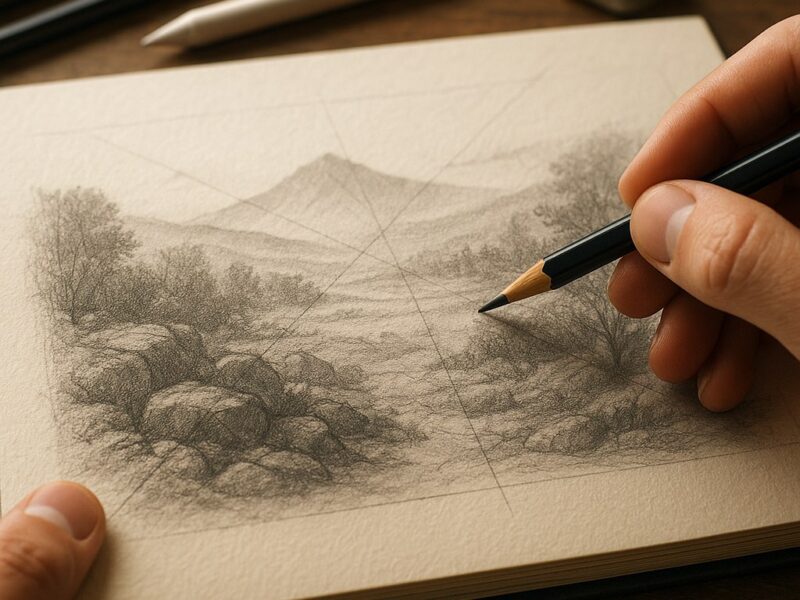
- Pencils: Graphite pencils in various hardness levels.
- Markers: Permanent, watercolor, and fine-tip markers.
- Erasers: Kneaded and rubber erasers for clean corrections.
Additional Items:
- Adhesives: Glue sticks and Mod Podge for collages.
- Cutting Tools: Scissors and craft knives for precise cuts.
- Rulers: For straight lines and measuring.
Storage Solutions:
- Organizers: Containers or trays to keep supplies tidy.
- Portfolios: For storing completed artwork and papers.
Investing in these essential supplies enables a range of easy art projects. From painting to drawing and collage, having proper tools simplifies the process and enhances the experience.
Art Projects for Kids and Families
Engaging in art projects at home fosters creativity in children and provides quality family time. The following activities are enjoyable and simple, utilizing materials that are typically found around the house.
Fun with Bubble Wrap Painting
Bubble wrap painting is a playful way to create unique art. To start, gather bubble wrap, washable paint, and paper.
- Prepare the Materials: Cut the bubble wrap into manageable pieces.
- Apply Paint: Use fingers or brushes to apply paint directly onto the bubble wrap.
- Transfer the Design: Press the bubble wrap onto paper to create texture and patterns.
This project encourages children to experiment with colors and textures. The process is tactile and fun, making it an excellent option for young artists.
Crafting Colorful Painted Rocks
Painting rocks provides a creative outlet as well as a keepsake. Children can find smooth stones outdoors or use ones from a craft store.
- Select and Clean Rocks: Choose stones ranging in size and shape.
- Design Ideas: Plan designs such as animals or abstract patterns.
- Paint and Seal: Using acrylic paint, they can bring their ideas to life. Once dry, a clear sealant can protect the artwork.
This project encourages outdoor exploration and personal expression. Finished painted rocks can be displayed in gardens or given as gifts.
Exploring Handprint Art
Handprint art is an inclusive project that’s perfect for all ages. It allows for personal creativity while being simple to execute.
- Gather Supplies: Use non-toxic paints, large sheets of paper, and wet wipes for easy cleanup.
- Create Designs: Dip hands into paint and press onto paper. Children can create animals, trees, and other designs using their handprints.
- Add Details: After the handprints dry, they can be enhanced with additional paint or markers.
This art form is meaningful as it captures a milestone in a child’s growth. Each piece is a unique reflection of the artist’s creativity.
Creative Art Techniques to Explore
Exploring various creative art techniques can inspire individuals and enhance their artistic skills. These methods cater to different preferences, materials, and skill levels, allowing for personal expression and creativity.
Watercolor Paintings for Beginners
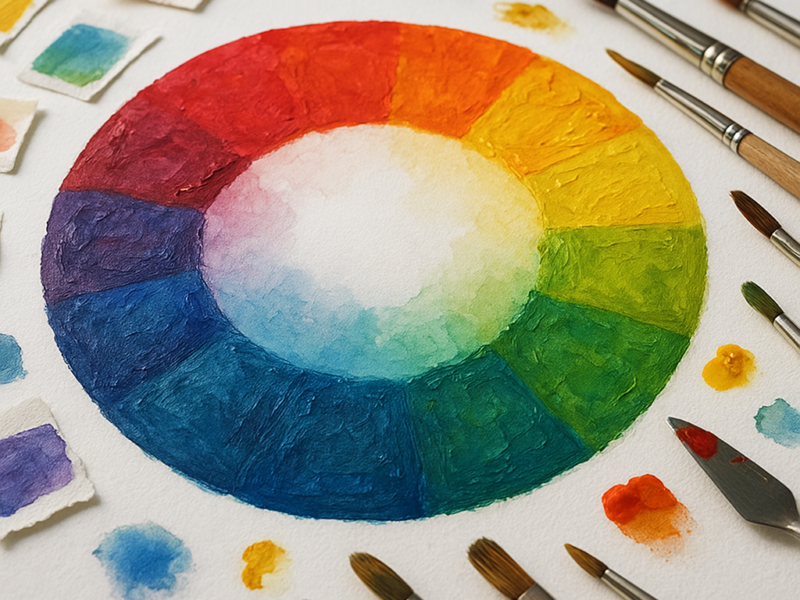
Watercolor painting is an accessible and enjoyable medium for beginners. It utilizes transparent pigments mixed with water, which can create soft washes or vibrant hues. To start, one needs quality watercolor paper, a set of basic brushes, and a palette for mixing colors.
Beginners should practice techniques like wet-on-wet and wet-on-dry. Wet-on-wet involves applying wet paint onto a wet surface, resulting in soft edges, while wet-on-dry creates sharper lines. Simple subjects like flowers or landscapes are great practice.
The Beauty of Watercolor Resist Art
Watercolor resist art takes advantage of materials that repel water. Common resist materials include masking fluid or wax crayons. Artists can outline their design with these materials before applying watercolor, creating striking contrasts.
Once the paint has dried, the resist can be removed, revealing the unpainted areas. This technique allows for creativity in compositions, making it suitable for all ages. Experimentation with colors and forms can lead to unexpected and delightful results.
Assembling Nature Collages
Nature collages utilize organic materials such as leaves, flowers, and twigs to create intricate designs. This technique encourages participants to engage with their environment while exercising creativity. Using a sturdy base like cardstock or canvas, individuals can arrange their collected items into aesthetic patterns.
Glue or decoupage can secure the materials in place. The process can be enhanced by including textural elements or layering items for depth. Nature collages offer endless possibilities, celebrating the beauty of the natural world.
DIY Crepe Paper Flowers
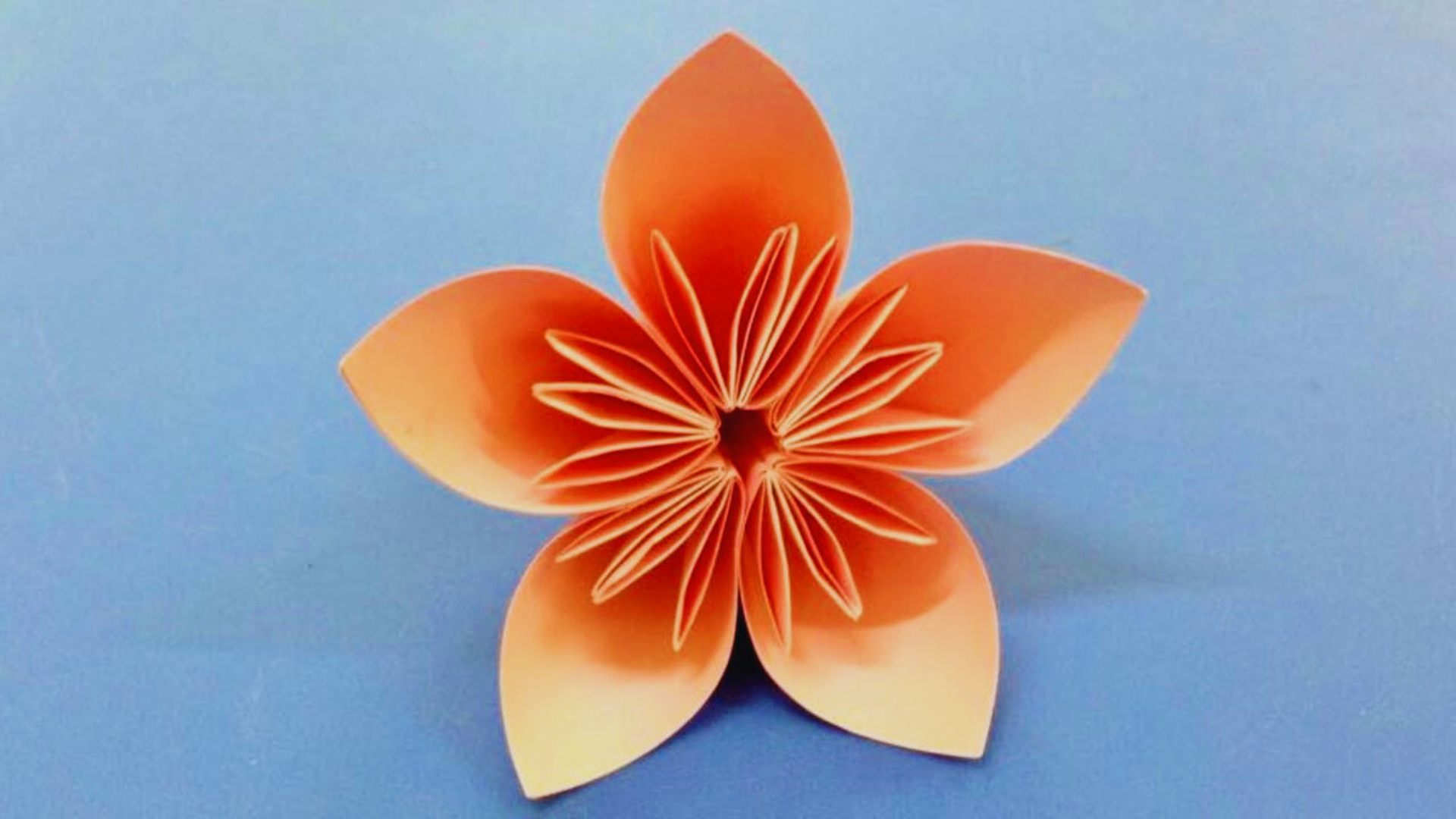
Creating crepe paper flowers is an enjoyable craft that yields vibrant and long-lasting results. For this project, one requires crepe paper, scissors, and floral wire. The paper’s stretch allows for versatile designs, simulating realistic petals.
Cutting and shaping the paper into petal forms is the first step. Once the petals are prepared, they can be layered and secured with floral tape. These flowers can adorn spaces or serve as gifts, showcasing creativity in floral artistry.
Intriguing String Art Creations
String art is a captivating technique that combines craftsmanship and creativity. It involves creating geometric patterns or images by winding string around nails or pins anchored to a board. This project can vary in difficulty, appealing to different skill levels.
Choosing a design or pattern is critical; simple shapes work best for beginners. After securing the nails in place, participants can weave the string in various directions to add depth and interest. The final pieces make striking decor or thoughtful gifts.
The Magic of Salt Painting
Salt painting combines watercolors and salt, resulting in intriguing textured art. When salt is sprinkled onto wet watercolor, it absorbs pigment, creating unique effects. This technique allows for playful experimentation with both color and form.
To start, an artist should draw a design and paint it with watercolors. While the paint is still wet, salt should be generously added. Once dry, the salt can be brushed off, revealing ethereal patterns. This method is excellent for both adults and children, fostering creativity and curiosity.
Upcycled Art Projects
Upcycled art projects encourage creativity while transforming everyday items into unique pieces of art. These projects are not only environmentally friendly but also allow for personal expression through various materials.
Creating Cardboard Sculptures
Cardboard is a versatile material perfect for crafting sculptures. Individuals can start by collecting boxes or leftover packaging and cutting them into various shapes.
To make a sculpture, one can layer and glue pieces together, creating depth and dimension. Adding paint or decorative elements enhances the finished product.
Consider using tools like X-Acto knives for precision cuts and hot glue guns for strong adhesion. Successful designs often feature elements like animals, abstract forms, or functional items.
Emphasizing creativity, sculptors can also incorporate mixed media using fabric or natural materials to create visually interesting contrasts.
Assembling Photo Collages
Photo collages provide a wonderful way to showcase memories and creativity. To start, gather photographs, magazines, and other printed materials.
Selecting a theme can help unify the collage, such as a personal journey, family history, or nature scenes. Organizers should consider the arrangement of images for the best visual impact.
Using a canvas or cardboard as a base, they can glue down the images in an overlapping style. For added texture, including various materials like fabric or scrapbook paper is advisable.
Finishing touches, such as a protective layer of decoupage glue, can enhance durability and appearance. Collage-making allows for personal storytelling, making each piece unique.