
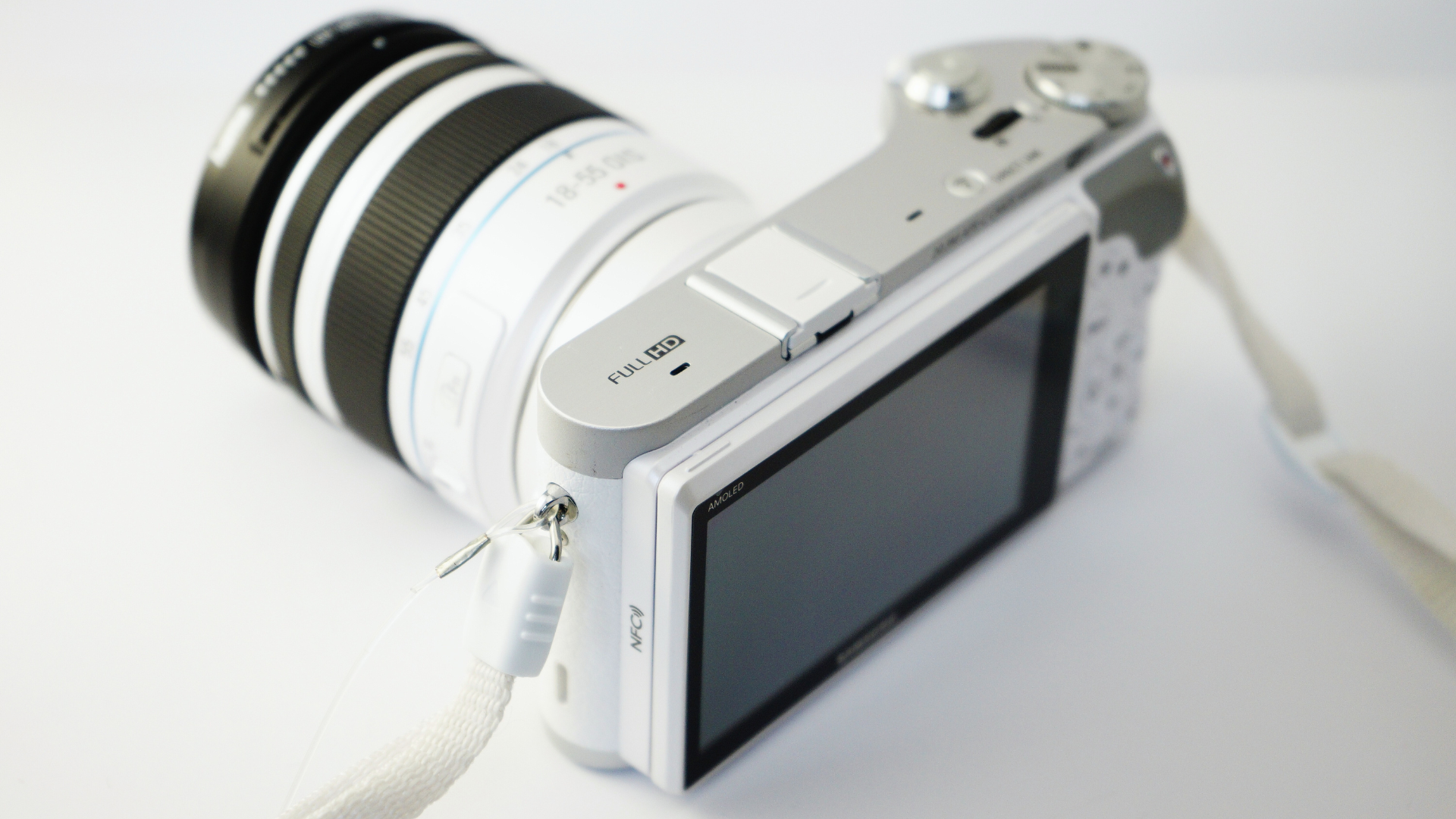
Choosing a digital camera can be an overwhelming task, given the variety of options available in today’s market. The key factors to consider include the type of photography intended, budget, and the specific features desired in a camera. Understanding camera types such as DSLRs, mirrorless models, and compacts can significantly simplify the decision-making process.
Each type of camera offers unique advantages depending on the user’s needs. For instance, DSLRs typically provide greater control and image quality for serious photographers, while point-and-shoot cameras are ideal for casual users looking for convenience. Identifying personal requirements and preferences is essential for finding the right fit.
Photography enthusiasts should also think about the camera’s compatibility with lenses and accessories, as this can expand creative possibilities. Evaluating important specifications like sensor size, megapixels, and low-light performance will help them make a more informed choice. This thoughtful approach can lead to a satisfying investment in a camera that enhances their photography journey.
Understanding Camera Types
Choosing the right digital camera involves understanding various types and their specific uses. Each type caters to different needs, from professional photography to casual snapshots.
Comparing DSLRs and Mirrorless Cameras
DSLR cameras utilize a reflex mirror system that allows photographers to see exactly what the lens captures through an optical viewfinder. They typically offer excellent battery life and a wide selection of lenses.
Pros of DSLRs:
- Robust build quality
- Excellent image quality
- Superior lens options
In contrast, mirrorless cameras are more compact, lacking the reflex mirror. They use electronic viewfinders and are often lighter and faster than DSLRs.
Pros of Mirrorless:
- Smaller and lighter
- Faster burst shooting
- Advanced autofocus capabilities
Both types offer high-quality images, but the choice may depend on personal preference regarding handling and features.
Exploring Point-and-Shoot and Bridge Cameras
Point-and-shoot cameras are designed for simplicity and ease of use. They offer automatic settings and are typically compact, making them ideal for casual photographers or travelers.
Key features:
- Fixed lens
- Lightweight and portable
- Easy to operate
Bridge cameras fill the gap between point-and-shoot and DSLRs. They feature a fixed lens with a wider zoom range while offering manual settings for more control.
Key traits:
- Larger body and grip than point-and-shoots
- Versatile zoom lens
- Manual controls for experienced users
These cameras serve well for those who want improved image quality without the complexity of interchangeable lens systems.
Specialty Cameras for Unique Needs
Specialty cameras cater to specific use cases beyond general photography. Action cameras, for instance, are designed for high-adrenaline situations, being durable and waterproof. They excel in capturing dynamic moments.
Characteristics:
- Compact and rugged
- Wide-angle lenses
- Easy mounting options
Compact cameras are another option, balancing portability with enhanced image quality. They are user-friendly and often come with advanced features like image stabilization.
Advantages:
- Suitable for everyday use
- Better performance than basic point-and-shoots
- Ideal for casual photography
Micro Four Thirds cameras, designed for enthusiasts, offer a good compromise between size and image quality, making them suitable for a range of photography styles.
Key Camera Features and Specifications
When selecting a digital camera, understanding key features is crucial. Important areas include sensor size, image quality, and the camera’s performance in various lighting conditions. Autofocus capabilities and video specifications also greatly influence the overall experience.
Sensor Size and Image Quality
Sensor size is a critical factor in image quality. Larger sensors, such as the full-frame sensor, capture more light and detail compared to smaller sensors like the APS-C sensor.
This results in superior image quality, better dynamic range, and less noise in low-light settings. A camera with a full-frame sensor typically excels in producing high-quality images suitable for prints.
Image quality also depends on the type of lens used. Selecting compatible lenses is essential to maximize the sensor’s potential and ensure sharpness and clarity.
Resolution, Megapixels, and Low-Light Performance
Resolution and megapixels determine the detail captured in photographs. Higher megapixel counts allow for larger prints and cropping without loss of quality. Standard consumer cameras range from 16 to 50 megapixels.
Low-light performance is notable in high-quality cameras due to improved ISO range. A wider ISO range enables clearer images in dim conditions. Cameras with advanced processing can handle higher ISO settings with reduced noise, enhancing usability in various environments.
Effective image stabilization techniques also improve low-light performance by minimizing camera shake.
Autofocus, Speed, and Video Capabilities
Autofocus technology is vital for capturing sharp images, especially in dynamic scenarios. Fast autofocus systems track moving subjects efficiently.
Autofocus speed varies among models and is often influenced by sensor technology. Cameras featuring advanced autofocus systems generally perform better in challenging situations.
Video capabilities have become essential in modern cameras. Many models now offer 4K video recording, which provides high-resolution video quality. Frame rates are significant; options typically range from 24 to 60 frames per second, impacting the fluidity of motion captured.
Additionally, consider the camera’s video performance features like image stabilization and microphone inputs for enhanced video quality. Choosing the right combination can ensure high-quality videos for various purposes.
Evaluating the Camera System and Usability
Choosing a digital camera involves assessing both the camera system and its usability. Key considerations include lens options, ergonomics, battery life, and how easily the camera can be used for manual shooting.
Lens Options and Quality
Lens options are crucial when evaluating a camera’s flexibility. Interchangeable lens systems allow photographers to select from a variety of lenses to suit different shooting situations. A high-quality lens can significantly enhance image clarity and color accuracy.
Key factors to consider include:
- Lens Selection: Look for a camera with a wide range of compatible lenses, including prime and zoom options.
- Lens Quality: Check for coatings that reduce flare and improve sharpness.
- Maximum Aperture: A larger aperture allows better low-light performance and depth of field control.
Ergonomics, Battery Life, and Build
Comfort and convenience can greatly impact the user experience. Ergonomics plays a key role, as a well-designed grip will allow for stable shooting over extended periods.
Battery life is essential for shooting on location. A camera with a longer battery life allows for uninterrupted shooting.
Build quality is also important. A camera that feels sturdy and weather-sealed can withstand challenging conditions.
Manual Control and User Experience
Manual control options are vital for photographers who want creative freedom. A camera should offer dedicated dials or buttons for adjusting settings such as ISO, shutter speed, and aperture. This allows for quick adjustments without navigating through menus.
User experience is augmented by features like:
- Touchscreens: These can improve accessibility for changing settings and focusing.
- Connectivity Options: Wireless connectivity enables easy sharing and remote control through apps.
- Customization: The ability to customize controls can enhance the shooting experience.
Evaluating these elements helps ensure that the selected camera aligns with personal preferences and specific photographic needs.
Making the Right Purchase Decision
Choosing the right digital camera involves several critical considerations. Establishing a budget and understanding individual needs play key roles. Additional factors include the brand and accessory ecosystem, as well as thorough research and recommendations.
Establishing Your Budget and Needs
When selecting a camera, budget is often the first limiting factor. He or she should determine how much is available to spend. Entry-level cameras often range from $400 to $800 and are sufficient for beginners. Mid-range options like those from Nikon or Canon typically range from $800 to $2,000, offering advanced features.
Identifying specific needs is equally important. A photographer focused on landscape photography will prioritize resolution and dynamic range. In contrast, a vlogger may need good video capabilities and portability.
Setting clear priorities will also help in narrowing down choices while remaining within budget constraints.
Considering Brand and Accessory Ecosystem
Camera brands like Canon, Nikon, and Sony are prominent for a reason. They offer a reliable product range and strong support systems. It’s wise to consider which brand aligns best with expected photography styles.
He or she should also evaluate the accessory ecosystem associated with these brands. For instance, lenses, batteries, and tripods can add considerable long-term value. Brands such as Fujifilm and Panasonic provide excellent lenses and accessories, supporting photographers in various genres.
Compatibility and availability of accessories can significantly enhance a camera’s usability.
Research and Recommendations
Conducting thorough research is essential. Online resources provide insight into performance, weaknesses, and user experiences. Camera Buying Guides can further aid potential buyers in understanding the specifications and advantages of different models.
Reading user reviews and watching video comparisons can also be invaluable. Communities on photography forums often discuss favorites—highlighting models deemed the best cameras for beginners or vloggers.
Recommendations from professionals should not be overlooked. Engaging with photographers can yield tips on the best models and accessories tailored for specific needs, ultimately guiding an informed purchase decision.